Find a Credit Union Near You & Learn How Credit Unions Work

Nationwide Credit Unions is an independent resource created to help you understand how credit unions work, find a credit union near you, and use member-focused services with confidence. Whether you are comparing credit unions to banks, exploring digital banking tools, or trying to make smarter decisions about loans and fees, this site is designed to guide you step by step.

We organize our content around what real members search for most: finding local credit unions, understanding membership and eligibility, navigating digital banking, and making better choices about student loans, auto refinance, and everyday account features.

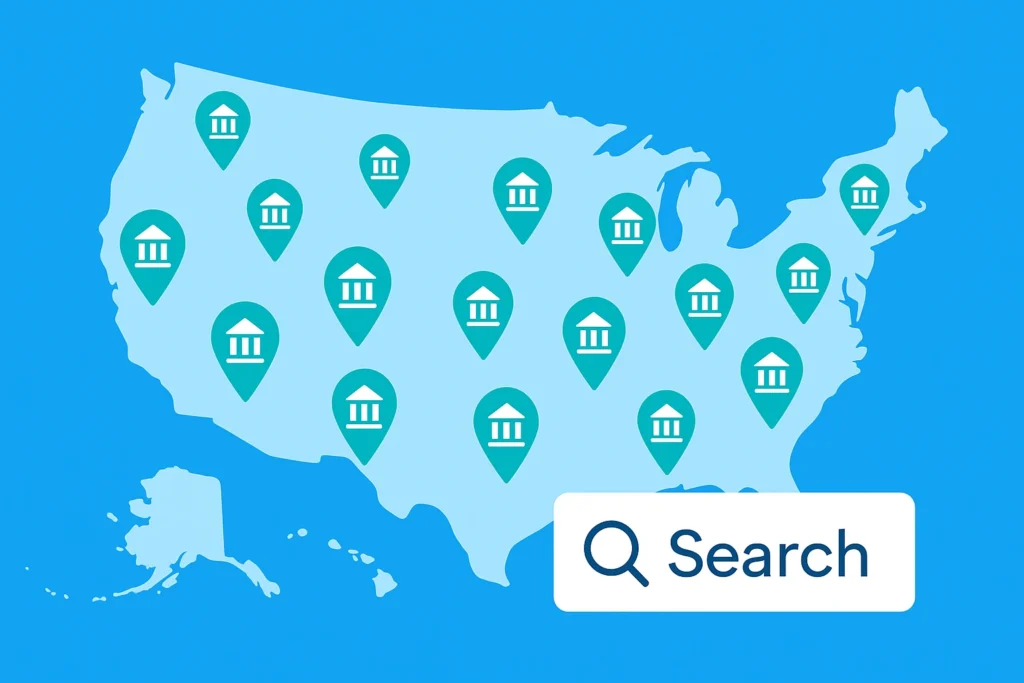
illustration of a map with markers representing credit unions across the United States and a search tool interface


Find a Credit Union Near You

Credit unions operate locally, regionally, and through nationwide networks of branches and surcharge-free ATMs. Our locator hub is designed to help you quickly find credit unions near you, understand basic membership options, and see how institutions are distributed across all 50 states. Whether you are choosing your first credit union or moving to a new area, these tools give you a clear starting point.

If you are starting with one simple question — Is there a credit union near me? — begin here. Our main locator hub helps you discover credit unions and branches across the country, then dive into specific states and cities.


Each state page highlights key credit unions, basic membership notes, and how they fit into the broader credit union system.

Credit Union Guides for New and Existing Members

Credit unions follow a cooperative, member-owned structure that can look very different from traditional banks. Our core guides break down how membership works, what you can expect from everyday services, and where credit unions tend to excel or fall short. These resources provide a foundation before you open an account, move your direct deposit, or switch from a bank to a credit union.

These guides build a foundation so you can understand how credit unions make decisions, how they set rates and fees, and what membership really means in practice.

Digital Banking at Credit Unions

Digital banking has become a core part of the credit union experience. Most credit unions now support online banking dashboards, mobile apps, remote deposit, account alerts, and integrations with services like Zelle or Venmo. Our digital banking content explains how these tools work, where timing delays come from, and what to expect as a member using modern credit union technology.


illustration of a person using a laptop and smartphone to manage credit union digital banking tools like mobile deposits and transfers

Modern credit unions now offer robust digital tools, from mobile apps and remote deposits to real-time payments and card controls. Our digital banking articles explain how these tools work behind the scenes so you can use them confidently and avoid surprises.

For a broader look at mobile banking, you can also review our overview of credit union mobile banking convenience and what to expect from banking on your phone.

Student Loans and Credit Union Refinance Options

Many credit unions offer private student loans, consolidation programs, and auto refinance products that may be priced differently from traditional lenders. Our student loan and refinance guides focus on how these products are structured, what types of members they tend to serve, and what tradeoffs to consider as you compare options.

These guides are written to help you decide when to stay with your current lender, when a credit union refinance might help, and what questions to ask before signing a new agreement.

ATMs, Access, and Withdrawal Limits

Access to cash remains important for many credit union members, and access rules can vary between institutions and networks. Many credit unions participate in nationwide shared ATM systems that expand fee-free access and set their own daily withdrawal limits. Our ATM-focused resources explain how those limits work, how networks are structured, and how to plan for larger withdrawals when needed.


Access to cash is still essential, even in a digital-first world. Many credit unions participate in shared branching and fee-free ATM networks that expand your access nationwide.

These ATM-focused resources are especially useful if you travel often, withdraw cash regularly, or want to avoid unexpected out-of-network fees.

State and Local Credit Union Guides

Credit unions are closely tied to their communities, and membership opportunities vary by region. Our state-level guides explain how credit unions operate where you live, highlight local institutions, and outline common membership patterns. They help you understand the broader credit union landscape in your area before you narrow down to a specific institution.

In addition to national guides, we publish state-level pages so you can see how credit unions operate where you live. These pages highlight local examples, membership patterns, and the role of credit unions in regional economies.

Over time, these state and location pages will continue to expand with more detailed examples and clearer member guidance.

Why Trust Nationwide Credit Unions?

Nationwide Credit Unions is an independent, research-driven resource focused on helping consumers understand how credit unions operate before choosing a financial partner. We simplify complex topics, compare institutions without marketing spin, and link to authoritative third-party sources so you can verify key details and explore deeper when needed.


Nationwide Credit Unions is not a bank, credit union, or lender. The site is an independent, research-driven resource focused on helping consumers understand how credit unions work before they open an account or apply for a loan.

We aim to:

  • Explain credit union concepts in plain language.
  • Compare credit unions with traditional banks without marketing spin.
  • Highlight member benefits, limitations, and tradeoffs clearly.
  • Point readers to trusted third-party sources, such as the National Credit Union Administration, for regulatory and insurance details.

Our goal is to give you enough context to ask better questions at your local credit union, understand what you are signing, and use member-focused services to your advantage.

Frequently Asked Questions About Credit Unions

Below are some of the most common questions people ask when choosing, joining, or comparing credit unions. These quick answers help clarify how credit unions work and what to expect as a member.

What is the difference between a credit union and a bank?

Banks are for-profit institutions, while credit unions are not-for-profit and owned by their members. This structure often results in different fee structures, loan pricing, and service priorities compared to traditional banks.

How can I find a credit union near me?

You can use our Credit Union Near Me hub or browse our directory of credit unions in all 50 states to locate branches, ATM access, and membership options in your area.

What does “membership eligibility” mean?

Each credit union defines a specific “field of membership” that determines who can join. Eligibility may be based on where you live, where you work, professional or community groups you belong to, or family relationships.

Do credit unions offer online and mobile banking?

Yes. Most credit unions provide online banking and mobile apps for checking balances, transferring funds, paying bills, and depositing checks. Our Digital Banking content explains how these tools work and where they may differ from larger banks.

Are credit union accounts insured?

Most federally chartered credit unions are insured by the National Credit Union Administration (NCUA). You can verify insurance details directly through the NCUA’s official website.

Why do some credit union transfers take longer?

Transfer times can vary based on internal processing schedules, fraud checks, third-party networks, and cutoff times. We outline the most common reasons and planning tips in our transfer timing guide.


Do credit unions have ATM withdrawal limits?

Yes. Each credit union sets its own ATM withdrawal limits, and network rules can also apply. Our guide on ATM withdrawal limits at credit unions vs. banks explains typical limits and how to prepare for larger cash withdrawals.

Can I get a student loan or refinance through a credit union?

Many credit unions offer private student loans, consolidation products, and auto refinance options. Our Student Loans section explains how these products are structured and what to consider before you apply.

Do credit unions participate in shared branching?

Many credit unions join shared branching networks, which let members conduct basic transactions at other participating credit unions nationwide. This can be especially useful if you travel frequently or live far from your home branch.

How do I choose the right credit union?

Compare membership eligibility, branch and ATM access, digital banking tools, fees, and loan offerings. Our Choosing the Right Credit Union Guide walks through the key questions to ask before you move your accounts.

Explore Our Latest Credit Union Articles

Want to keep learning? Browse our most recent posts on digital banking, student loans, refinance strategies, and everyday member tips.